What My 1921 Dutch Colonial Taught Me About Brand Strategy
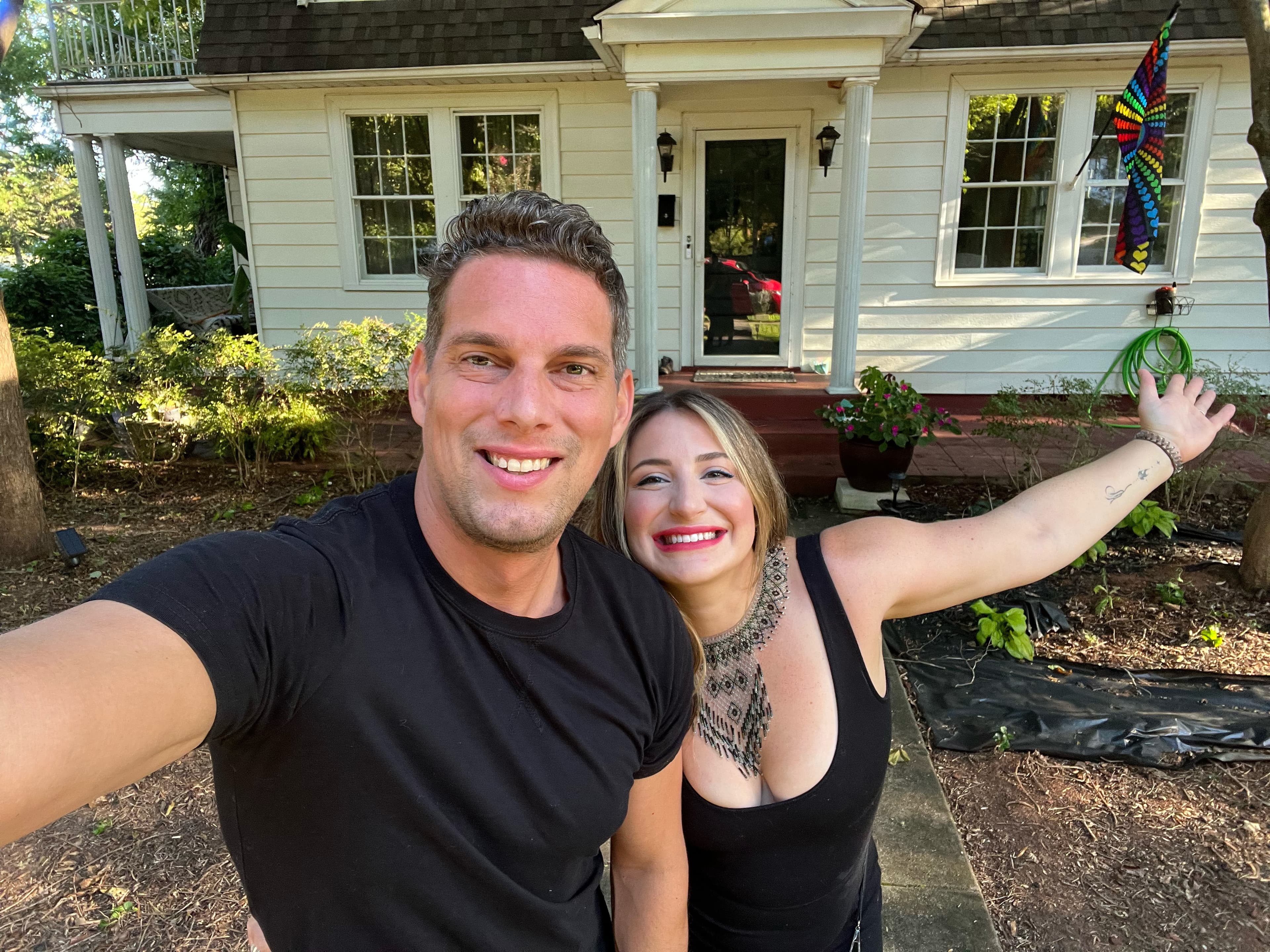
I bought a hundred-year-old house thinking I understood what I was getting into. I was wrong.
But the lessons I've learned restoring a 1921 Dutch Colonial in Winston-Salem have fundamentally changed how I think about brand strategy for my clients.
It turns out, building a brand and restoring a historic home have more in common than I ever expected.
Respect the Bones
The first thing any good preservationist will tell you: understand what you have before you change anything. My house was built in 1921 by George F. Turley. It's a Dutch Colonial Revival — characterized by that distinctive gambrel roof and classic two-story structure. That era of architecture has specific DNA: proportions, trim profiles, window placements that all follow a logic established long before I showed up.
When I started researching replacement glass for our window restoration, I learned that 1920s Colonial Revival homes used specific materials and profiles. Not Victorian. Not Georgian. A particular aesthetic that honored traditional forms but with cleaner, less ornate execution. Getting it wrong would feel off, even if you couldn't articulate why.
Brands work the same way. Every company has bones — a founding story, core values, a reason they exist. The best brand strategy doesn't ignore that foundation. It builds on it.
Brand building is the same long game. The clients who want transformation in ninety days are usually disappointed. Real brand equity is built over years of consistent decisions.
I learned this deeply working on Prevost's centennial campaign. When a company celebrates 100 years, you can't fake it. You have to earn it.
For that project, Mark and I traveled across the United States three times. We attended countless events — industry tradeshows, owner rallies, training sessions, delivery celebrations. We met over a hundred people and learned their stories. Fleet operators who'd been running Prevost coaches for decades. Entertainers whose touring lives depended on these buses. Families who'd converted coaches into full-time homes. Third-generation business owners whose grandparents had made the same choice they were making now.
What struck me was how consistent the story was, no matter who told it. The centennial wasn't about a marketing message we invented. It was about a hundred years of proof that already existed. Our job was to listen, to document, and to tell it well.
That same philosophy applies to restoring my Dutch Colonial. I'm not trying to turn it into something it was never meant to be. I'm revealing what was always there, honoring the decisions made a hundred years ago, and building on a foundation that's already proven.
The best brands — and the best old houses — aren't built overnight. They're the result of a thousand good decisions made over time.
Know What to Preserve
I broke a pane of original wavy glass in one of my windows. It sounds minor, but that glass was made using methods that haven't been used commercially in a century. The subtle distortion, the tiny bubbles, the way light moves through it — you can't replicate that with modern materials. As a photographer, the light through the 100 year old windows can't be replicated. I spent hours researching cylinder glass versus crown glass, trying to find a replacement that would match.
Some things are irreplaceable. In brand strategy, that might be a tagline that's become synonymous with the company. A color palette that customers recognize instantly. A tone of voice that feels like home to your audience. These are the elements worth protecting, even when everything else evolves.
The mistake I see brands make constantly is throwing out equity in pursuit of something "trendy." They abandon what made them distinctive because someone on the team got bored. But your customers aren't bored. They're attached. Know the difference between updating and erasing.
Update With Intention
Here's where it gets tricky. Preservation doesn't mean museum-quality paralysis. My kitchen is getting a full renovation. The original layout doesn't work for how we live. The appliances need to function in 2026, not 1921.
The key is updating with intention. I'm working with a designer who understands the period (shout out to Shae Studio!).
For brands, this means evolution that honors the core identity. You can refresh a logo without abandoning brand recognition. You can update messaging for a new audience without losing your voice. You can expand into new markets without diluting what makes you distinctive. The goal is coherence, not conformity.
Work With What's There
Old houses have quirks. Walls that aren't plumb. Floors that slope. Window openings that don't match standard sizes. You can fight the house or you can work with it.
I've learned to see these quirks as character. The wavy floors tell a story. The irregular plaster has texture you can't buy new. The narrow hallways reflect how people lived a century ago. Fighting all of it would be expensive, exhausting, and ultimately futile.
Brands have quirks too. Maybe your product has a learning curve that intimidates new users but creates fierce loyalty in those who stick with it. Maybe your company culture is a little weird in ways that attract exactly the right employees.
Working with what's there means building strategy around reality, not some idealized version of what you wish existed. The best brand strategies I've developed lean into the quirks rather than trying to sand them away.
The Long Game
Restoring a historic home is not a quick project. We've been in this house for years, and there's still a endless list of work that extends well into the future. The bathroom tile I installed. The windows I'm slowly restoring. The kitchen we're trying to tackle. It happens in phases because that's what we can afford and what we can manage.
Brand building is the same long game. The clients who want transformation in ninety days are usually disappointed. Real brand equity is built over years of consistent decisions. It's choosing quality over speed. It's trusting that the compound effect of good choices will eventually create something remarkable.
What the House Taught Me
I run a creative agency focused on luxury brands. Our clients include companies that understand craftsmanship and legacy.
Respect what exists. Preserve what matters. Update with intention. Work with the quirks. Play the long game.
And just like my house, the best brands aren't built overnight. They're restored, refined, and revealed — one thoughtful decision at a time.
Written by
Jayme Anderson
Agency owner, luxury brand strategist, and the voice behind The Manor on Banner.