Lessons from a Bourbon Rose: Why I Fell for Princess de Charlemagne
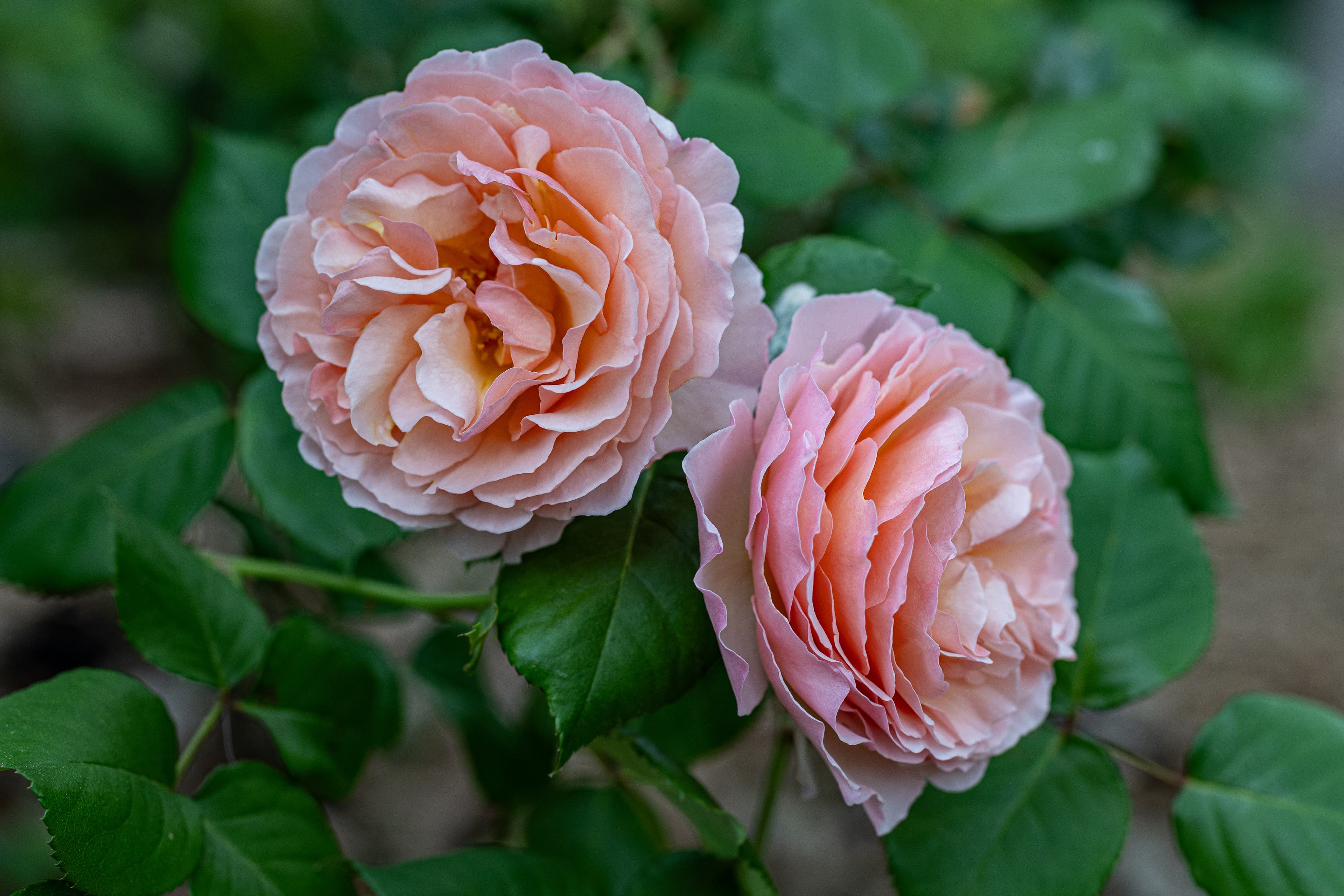
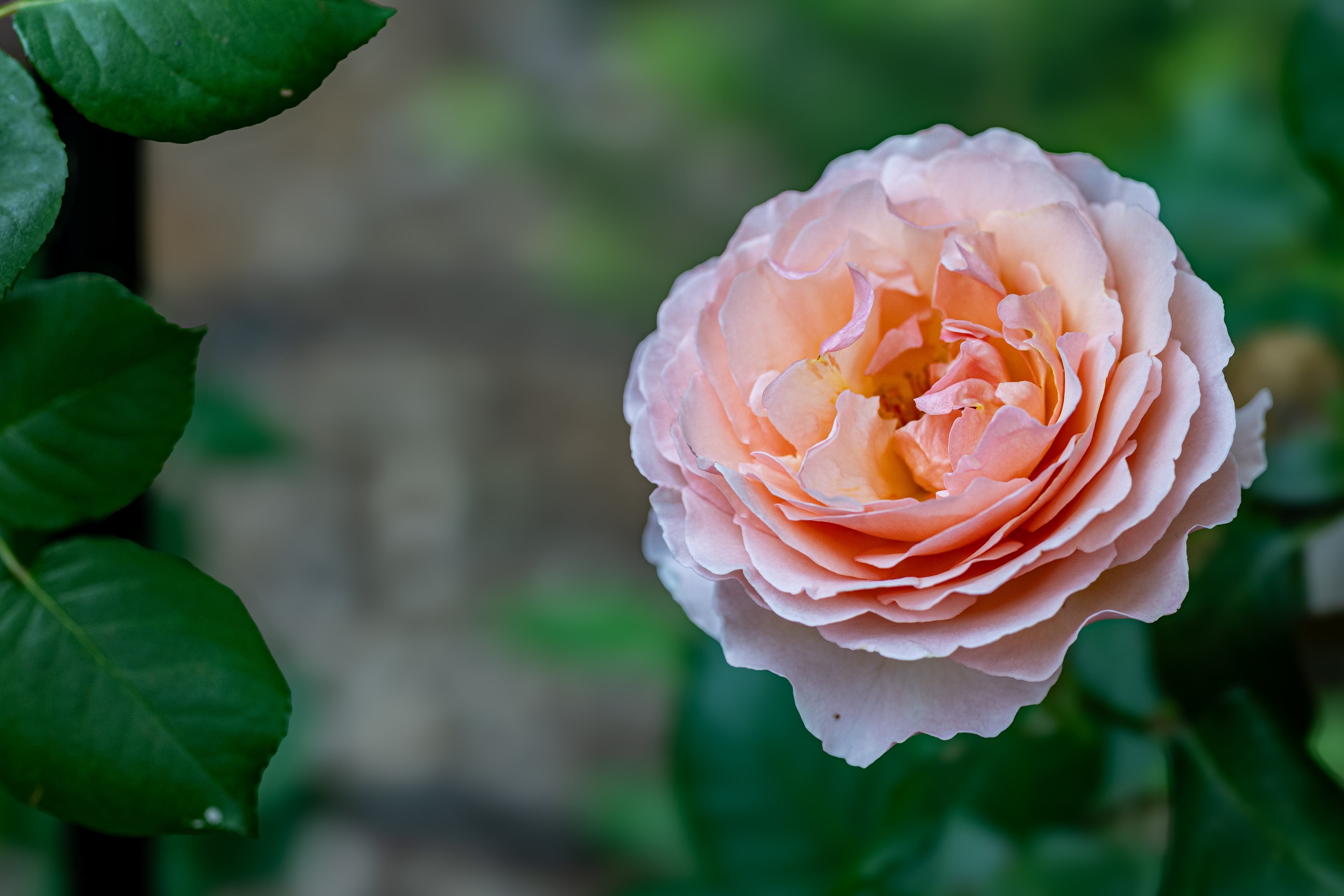
There's something about old garden roses that modern hybrids just can't replicate. When I first planted my Princess de Charlemagne, I didn't fully appreciate what I was getting into. This nineteenth-century Bourbon rose has taught me more about patience and proper care than any gardening book ever could.
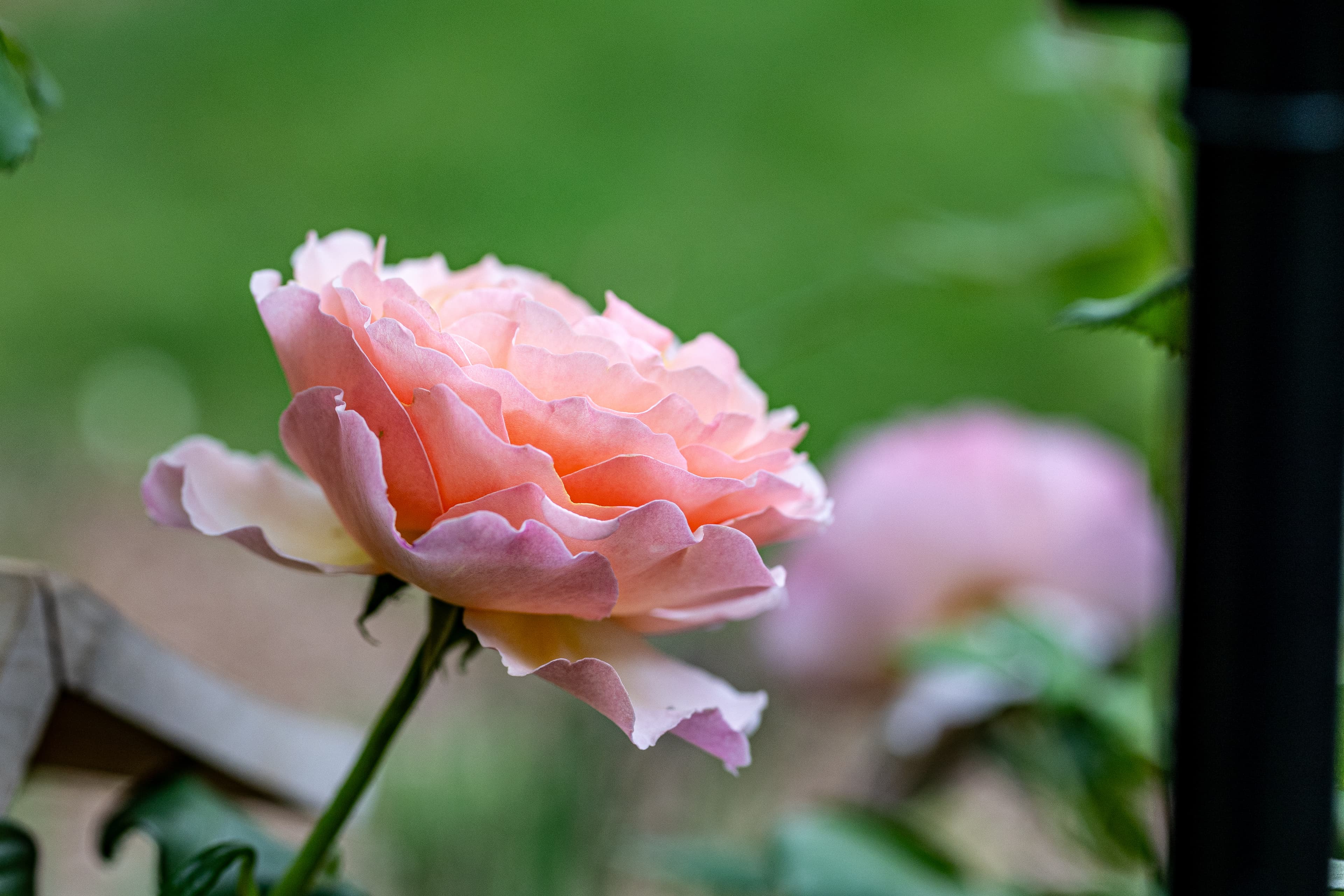
Why I Love This Bourbon Rose
Princess de Charlemagne is a Bourbon rose — a class known for intoxicating fragrance and lush, old-fashioned blooms that repeat throughout the season. Unlike modern roses bred for disease resistance and uniformity, Bourbons carry the romantic, cupped blossoms and heady perfume that made roses legendary. She blooms on both old and new wood, so even with moderate pruning, you get that gorgeous first flush of spring flowers followed by repeat blooms through fall. What I love most is her character. She demands attention, rewards good care, and taught me that the best things in the garden aren't always the easiest.
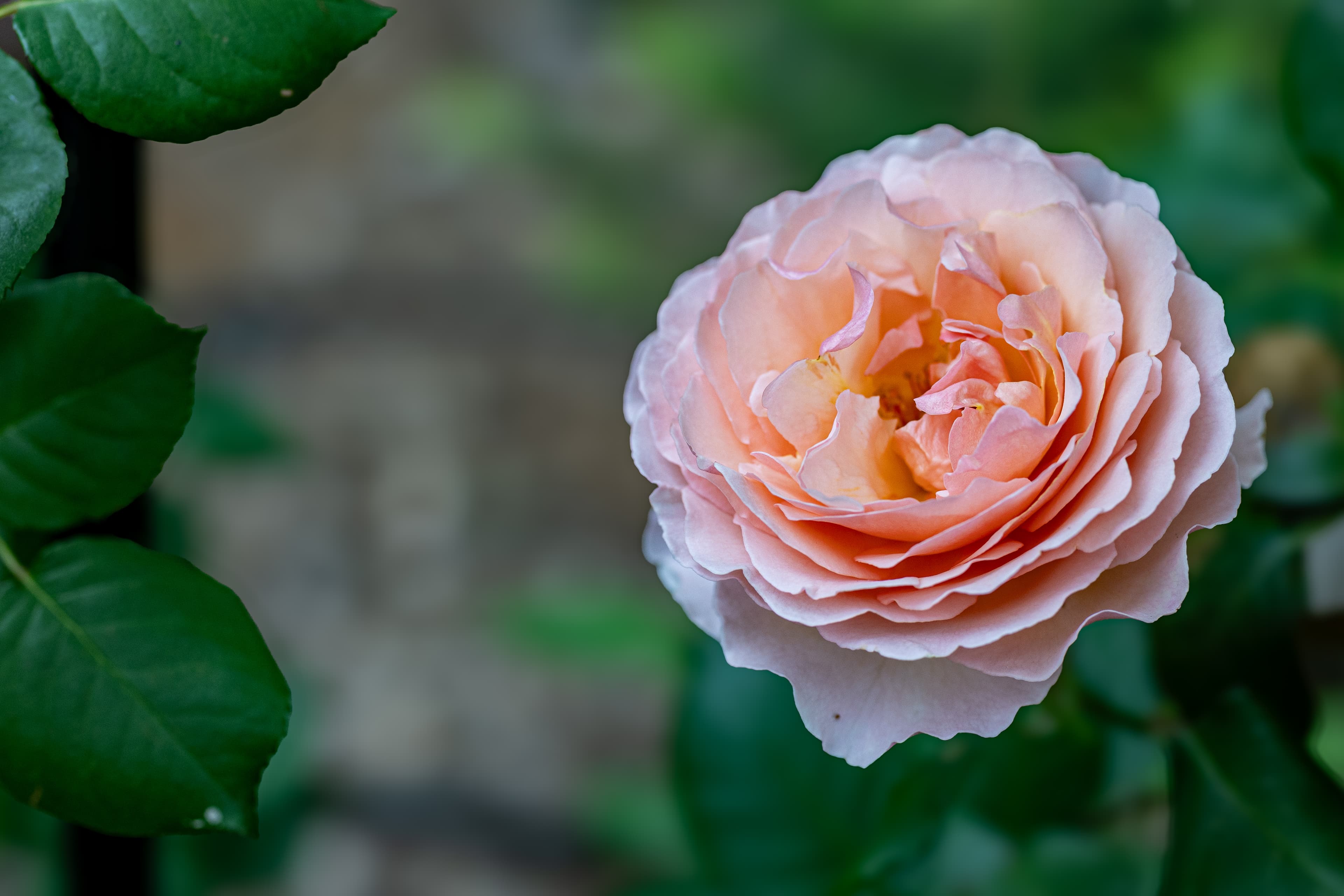
When and How to Prune
Here in Zone 7b, the ideal time to prune roses is late January through mid-February while they're dormant. This timing allows the plant to heal before spring growth without risking frost damage to tender new shoots.
For a Bourbon like Princess de Charlemagne, cut back to about eighteen to twenty-four inches from the ground if she's leggy. Make cuts at a forty-five-degree angle, about a quarter inch above an outward-facing bud — those small, raised bumps along the cane. This encourages the plant to grow outward rather than into its center.
Look for healthy tissue when you cut. White or green inside means good wood. Brown or hollow? Go lower until you find living tissue. Leave at least three to five strong canes for your framework.
Here in Zone 7b, the ideal time to prune roses is late January through mid-February while they're dormant. This timing allows the plant to heal before spring growth without risking frost damage to tender new shoots.
For a Bourbon like Princess de Charlemagne, cut back to about eighteen to twenty-four inches from the ground if she's leggy. Make cuts at a forty-five-degree angle, about a quarter inch above an outward-facing bud — those small, raised bumps along the cane. This encourages the plant to grow outward rather than into its center.
Look for healthy tissue when you cut. White or green inside means good wood. Brown or hollow? Go lower until you find living tissue. Leave at least three to five strong canes for your framework.
Fertilizing and Mulching
Roses are heavy feeders, but don't fertilize while the plant is dormant — you'll encourage tender growth that frost will damage.
Start feeding when new leaves emerge, usually late March or early April in my area. Fertilize again after the first bloom cycle, and once more in late summer. Stop by mid-August so the plant can harden off before winter. A balanced 10-10-10 fertilizer works well, and many rose growers add Epsom salts a couple times a year for greener foliage.
For mulching, add two to three inches of wood chips or pine bark around the base, keeping it a few inches from the stem to prevent rot.
Fighting Black Spot
I'll be honest: my Princess has battled black spot. It's common with old garden roses in humid Southern summers. The telltale signs are yellowing leaves with dark spots, followed by leaf drop.
Act fast when you see it. Remove affected leaves immediately and trash them — don't compost. Water only at the base of the plant in the morning so leaves dry quickly. Improve air circulation by pruning overcrowded growth. A preventative fungicide spray every two to three weeks during humid weather helps tremendously. Neem oil is a good organic option
What's Next: David Austin Roses
My love for old-fashioned roses has me planning my next project: adding three David Austin varieties to my backyard this spring — Desdemona, Claire Austin, and Windermere.
Desdemona offers white to soft blush blooms with strong fragrance and handles heat well. Claire Austin produces creamy white, cupped flowers with gorgeous myrrh fragrance, though she needs good airflow in humid climates. Windermere rounds out the trio with soft apricot blooms fading to cream, a fruity fragrance, and excellent disease resistance.
Together, they'll create a soft palette of whites, creams, and blush tones. I'm spacing them four feet apart for airflow.
Adding Texture Around the Roses
A rose hedge can look bare in winter. I'm planning layers of texture to extend interest through every season.
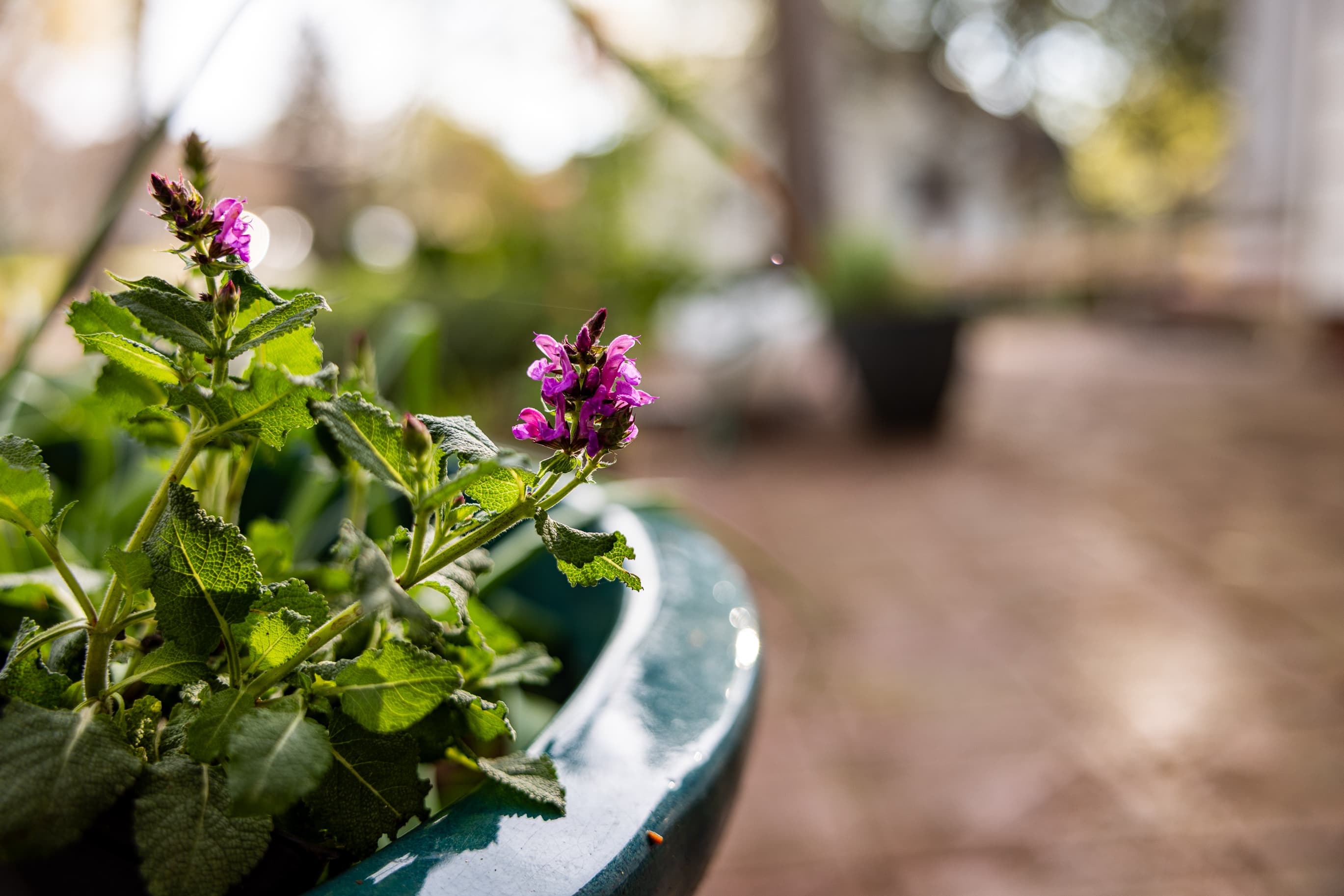
At their feet, I'm considering lavender for that classic purple-against-cream pairing, catmint for billowy texture, or lamb's ear for silvery foliage that won't compete with blooms. A low boxwood hedge would add structure and winter interest. Blue salvia works for vertical accents while keeping that cottage garden feel.
Written by
Jayme Anderson
Agency owner, luxury brand strategist, and the voice behind The Manor on Banner.